Blog ·
Understanding Building Codes for Your Door Installation Project
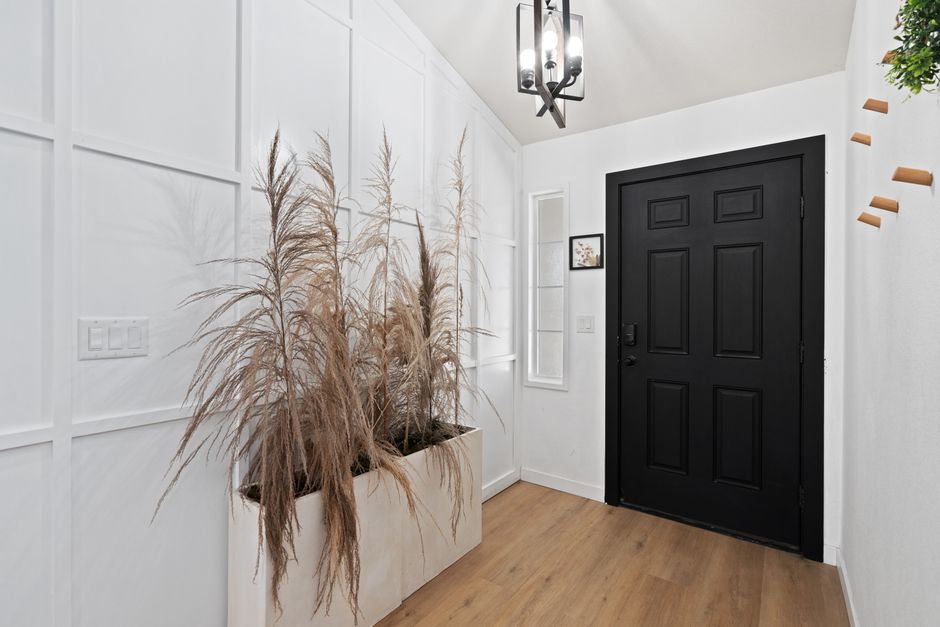
When you're planning a front door replacement or interior door upgrade, building codes might not be the first thing on your mind. However, these regulations exist to protect your family, ensure structural integrity, and maintain property values. As your trusted door installation experts, we understand these codes inside and out, and we want to share how they impact your project.
Building codes are developed by local authorities and national organizations to establish minimum safety standards. For door installations, they address everything from fire safety to accessibility to structural stability. Whether you're installing fiberglass doors, replacing your front entry, or upgrading interior doors, codes apply to your project.
Entry Door Requirements
Entry doors face the strictest requirements. Building codes mandate that exterior doors meet specific fire ratings, typically rated as 20-minute fire doors at minimum. This means the door assembly—including the frame, hardware, and door itself—must withstand fire exposure for that duration. Your front door replacement must also meet weather resistance standards to prevent water infiltration and air leaks. Fiberglass doors excel in this area because of their superior insulation properties and durability.
Interior Door Standards
Interior doors have different requirements based on their location. Doors between your living space and the garage, for example, must be fire-rated because the garage is considered a hazardous area. Doors in basements also typically require fire ratings. Most bedroom doors need to open fully without obstruction to meet egress requirements during emergencies.
Structural Installation Standards
Structural codes affect how doors are installed. Frames must be properly anchored to studs with the correct fastener spacing. Headers—the support structure above the door opening—must be sized appropriately for the width and type of door. Precision door installation means our team verifies that every opening is properly prepared and framed before we hang the door.
Accessibility Requirements
Accessibility codes matter too. If you have family members with mobility challenges, or if accessibility regulations apply to your property, doors must meet specific width and operation requirements. Interior door openings must provide adequate clearance, and exterior doors need proper landing dimensions.
Local Code Variations
Different regions have different codes. Your local jurisdiction might follow the International Building Code, a state-specific code, or municipal variations. When you choose our services, we navigate these requirements for you. We verify what codes apply to your specific situation—whether it's a front door replacement or interior doors upgrade—and ensure every installation meets or exceeds standards.
Understanding these codes helps you appreciate why precision door installation matters. Building codes exist because they prevent accidents, reduce fire risk, and ensure long-term performance. When you work with us on your fiberglass doors project or any door upgrade, you're getting installation that satisfies not just your aesthetic preferences, but also the safety standards designed to protect your home.